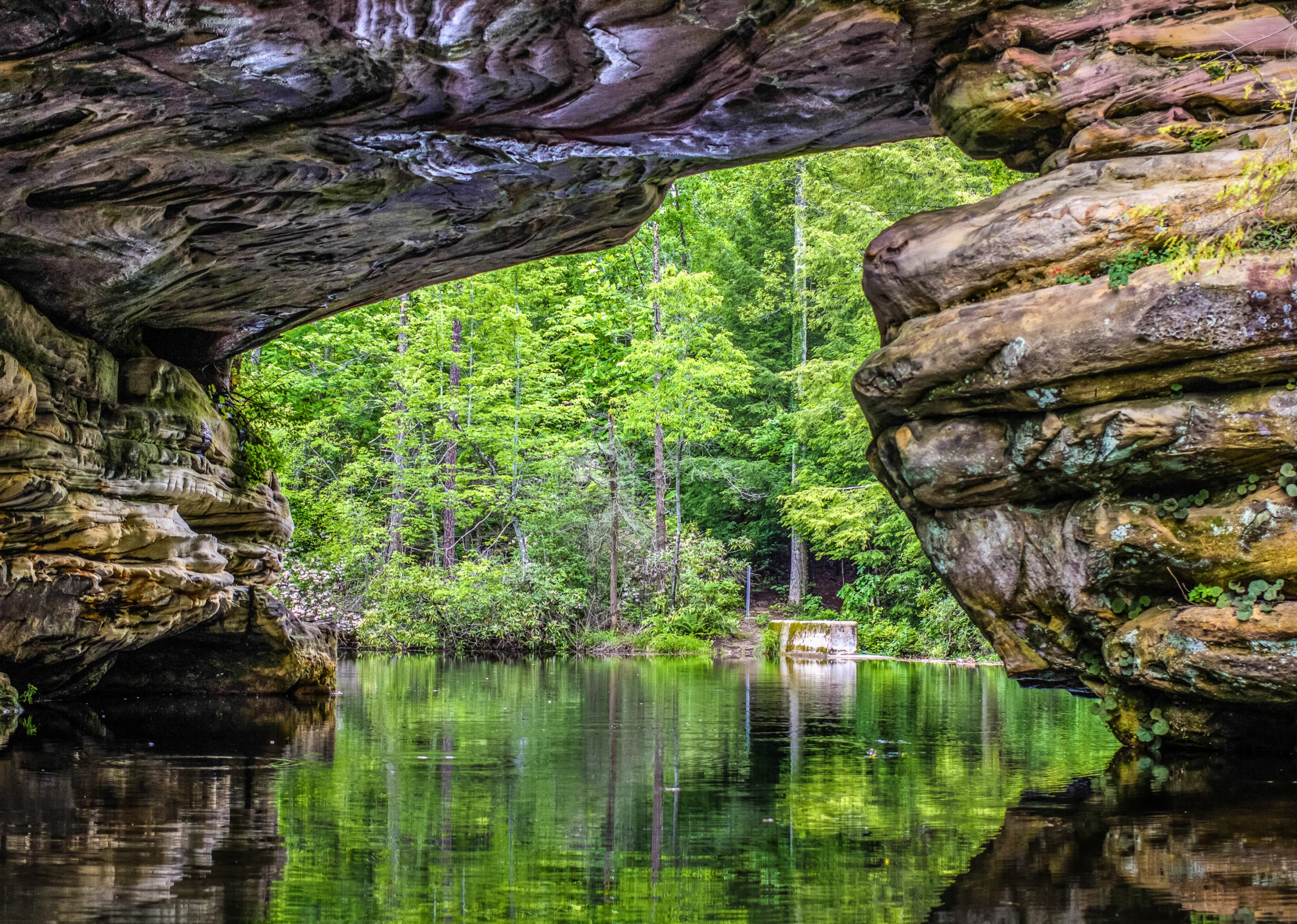
Hiking near Nashville TN, offers an unexpected escape into Tennessee’s natural beauty. Within just a couple of hours from the city, hikers can find rolling ridges, hardwood forests, tranquil lakes, waterfalls, and creek valleys. From beginner-friendly trails to more challenging loops, this guide provides a variety of trails for all skill levels. Whether you are planning a quick morning hike, a family-friendly afternoon adventure, or a weekend immersion in the backcountry, the region has something for every outdoor enthusiast.
The Nashville metro area blends urban convenience with natural retreats. Parks like Radnor Lake, Percy Warner Park, and Beaman Park offer well-maintained trails and scenic overlooks, while smaller reserves such as the Burch Reserve give hikers a quieter, more intimate experience. Waterfalls near Nashville are accessible on trails such as Hidden Lake and Shorts Springs, offering refreshing endpoints after moderate hikes. Longer excursions like Montgomery Bell Loop or Big East Fork Reserve provide multi-hour adventures for those seeking to stretch their legs and enjoy forested solitude.
Many trails also intersect with historical or cultural landmarks, giving hikers a glimpse of Tennessee’s heritage alongside the natural scenery. The Natchez Trace National Scenic Trail and Cumberland River Greenway offer unique connections between history, river landscapes, and hiking experiences. These trails are ideal for those who want a mix of sightseeing and outdoor activity without venturing far from Nashville.
Hiking in Nashville TN is also family-friendly, with several easy loops perfect for children or casual walkers. Trails are generally well-marked, with varying terrain that introduces hikers to local flora and fauna. Seasonal variations enhance the experience, with spring wildflowers, summer shaded paths, autumn colors, and crisp winter forest walks. Whether you are new to hiking or a seasoned trail-goer, the hiking trails near Nashville TN deliver a balanced, accessible, and memorable outdoor adventure.
Nashville Hiking Guide: Trail Distance, Difficulty, and Pet Policies
| Trail Name | Park | Difficulty | Distance (Round Trip) | Best For | Pet Policy |
| Lake Trail | Radnor Lake | Easy | 2.5 miles | Wildlife spotting | No Pets |
| Mossy Ridge | Percy Warner | Moderate | 4.5 miles | Workout / Hills | Leashed Only |
| Hidden Lake | Harpeth River | Easy/Mod | 2.0 miles | History / Views | Leashed Only |
| Volunteer Trail | Long Hunter | Moderate | 4.0 miles | Lake views | Leashed Only |
| Couchville Lake | Long Hunter | Easy (Paved) | 2.0 miles | Accessible / Paved | No Pets |
| Cummins Falls | State Park | Strenuous | 2.5 miles | Swimming / Waterfall | Leashed Only |
| Walls of Jericho | AL/TN Border | Strenuous | 7.0 miles | Epic Waterfall | Leashed Only |
| Virgin Falls | State Natural Area | Strenuous | 9.0 miles | Experienced Hikers | Leashed Only |
Radnor Lake State Park: Lake Trail
Difficulty: Easy
Distance: 2.5 miles (Loop)
Pet Policy: Strictly Prohibited (Lake Trail)
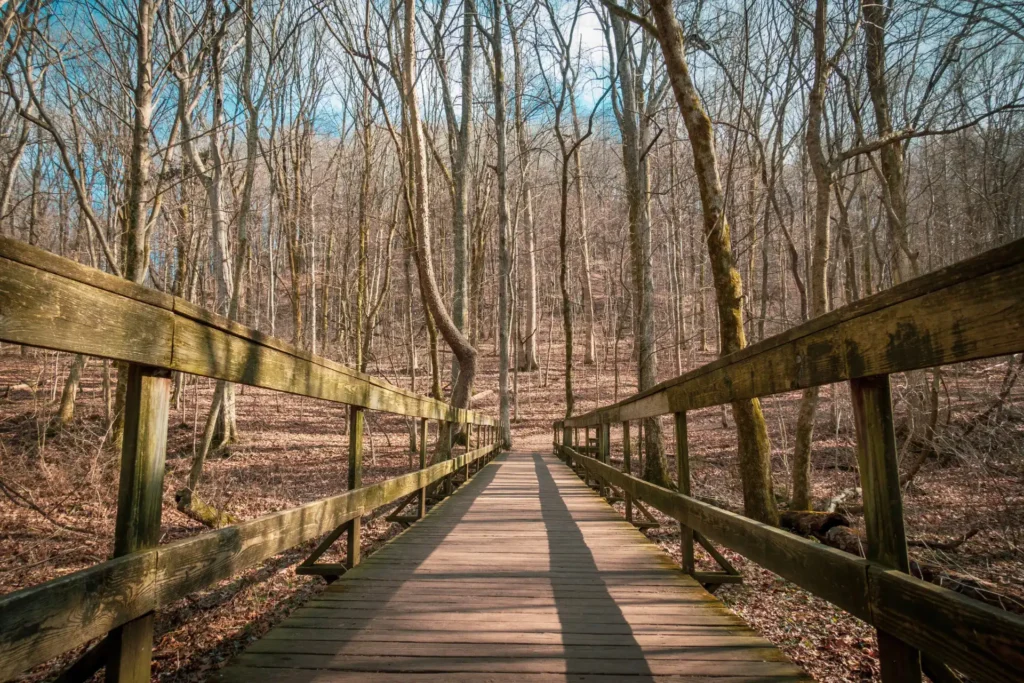
Radnor Lake State Park is one of the most visited hiking spots in the Nashville area. The Lake Trail is a favorite, offering roughly 2.5 miles (round trip) of easy-to-moderate walking along the shoreline. The trail is mostly flat with gentle inclines, making it accessible for families, beginner hikers, and those seeking a scenic loop near the city. Hikers will encounter calm waters, occasional wildlife, and shaded stretches lined with hardwood trees.
The park is known for its abundant wildlife, including deer, otters, beavers, and a variety of bird species. Observing these animals in their natural habitat adds an immersive component to the hike. Interpretive signage along the trail offers information about the local ecosystem and conservation efforts, giving visitors a deeper understanding of the natural environment. The Lake Trail can be completed in approximately 1-1.5 hours, though stopping for wildlife viewing or photography may extend the visit. Note that to protect the wildlife, pets and jogging are not allowed on this trail.
Trailheads are well-marked and include parking areas, restrooms, and informational kiosks. Hikers are encouraged to stay on the designated paths to protect the fragile ecosystem and follow Leave No Trace principles. The trail’s accessibility, combined with the opportunity to see both water and forest landscapes, makes it one of the best hiking experiences in Nashville TN for a quick yet fulfilling nature escape.
Local’s Tip: Parking here is competitive. The main lot on Otter Creek Road often fills by 8:00 AM on weekends. Try the West Parking Lot (Granny White Pike entrance) for slightly better availability.
Percy Warner Park: Mossy Ridge and Warner Woods Trails
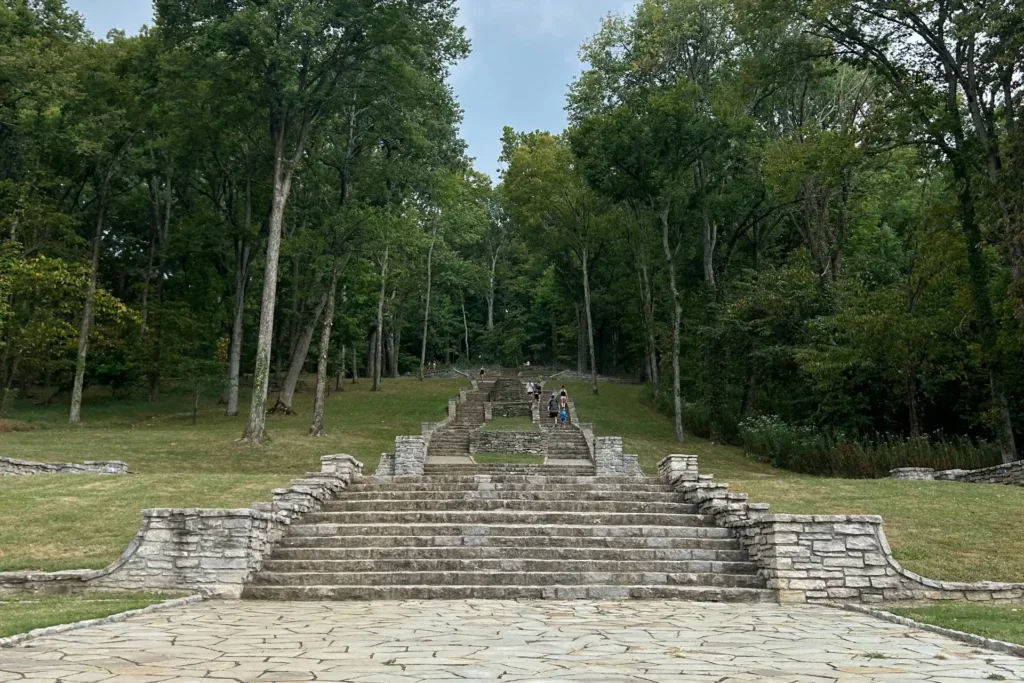
“The Mossy Ridge Trail offered the perfect mix of exercise and scenic views. Each overlook felt like a reward for the climb.” – Jason, Hiker
Percy Warner Park features several interconnected trails that span over 3,000 acres, including the Mossy Ridge and Warner Woods trails. These routes are moderate, offering elevation changes, scenic overlooks, and panoramic views of Nashville and the surrounding countryside. The trails are popular with local hikers, runners, and mountain bikers seeking a challenging workout within a short drive from the city.
The Mossy Ridge Trail
Difficulty: Moderate
Distance: 4.5 miles (Loop)
Pet Policy: Leashed Dogs Allowed
The trail follows the top of a series of forested ridges, providing both aerobic challenge and rewarding vistas. The Warner Woods Trail (2.5-mile loop) winds down to secluded valleys, small creeks, and areas dense with oak and hickory trees. Seasonal variations dramatically alter the scenery; fall colors highlight the deciduous canopy, while spring offers blooming wildflowers along the trail edges. Hikers can expect to spend 2-3 hours completing loops, depending on pace and detours to overlooks.
The park is well-maintained, with marked trailheads, gravel access roads, and maps provided at entrances. Safety is important as trails include steep drops near bluffs; hikers should wear proper footwear and exercise caution near exposed areas. The network of trails allows for flexible itineraries, from short loops to extended day hikes.
Harpeth River State Park: Hidden Lake and Narrows Trails
Difficulty: Easy to Moderate
Distance: 2.0 miles (Loop)
Pet Policy: Leashed Dogs Allowed
Harpeth River State Park features multiple hiking options, including the Hidden Lake Trail, the Narrows of the Harpeth, and the Gossett Tract. These trails provide varied experiences, from forested pathways to gentle lakeside strolls and river gorge exploration. Total trail lengths range from 1 mile for the Narrows bluff to over 2 miles for the Hidden Lake loop.
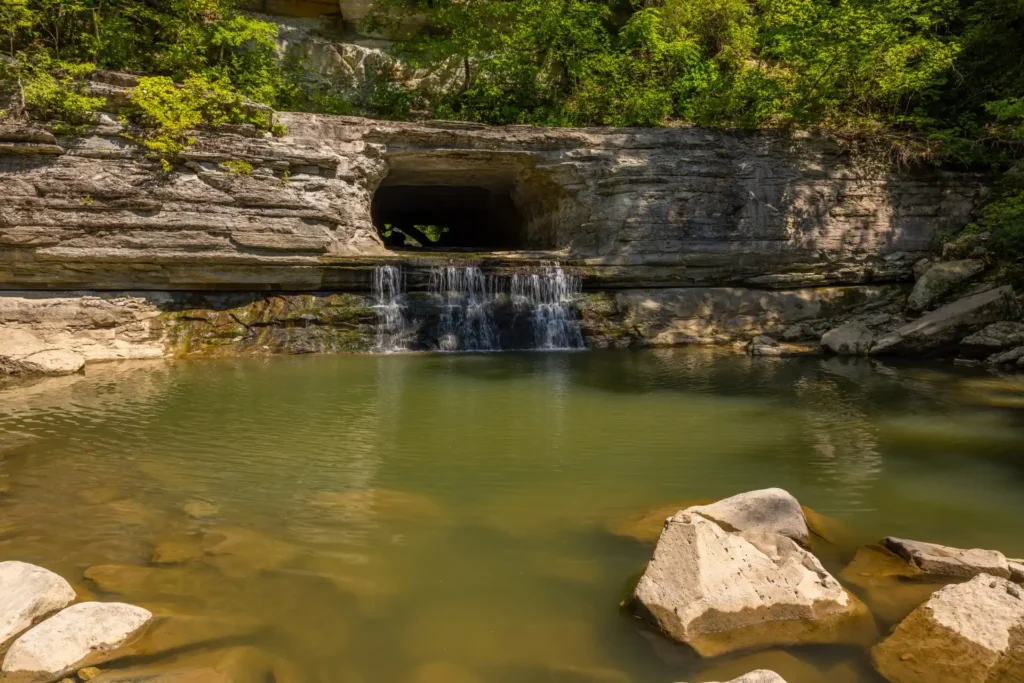
The Hidden Lake Trail is an easy, looped trail perfect for families or beginners. It passes through wooded areas and opens to a scenic lake with opportunities for birdwatching and wildlife observation. The Gossett Tract is moderate, with rolling terrain and shaded pathways. The Narrows Trail introduces hikers to limestone bluffs, a historic man-made tunnel, and dramatic river views. It is ideal for those seeking a shorter, immersive hike closer to water features.
Hikers should bring water, sturdy shoes, and a camera. Creek crossings may be slippery after rain, and wildlife is abundant, so respectful observation is recommended. The park has informational signage on history, flora, and fauna to enhance the experience.
Local’s Tip: Ticks are common here in the summer (June-August). Stick to the center of the path and use DEET-based repellent.
Montgomery Bell State Park: Wildcat to Ore Pit Loop and Trails
Difficulty: Moderate
Distance: 3.0 miles (Combined)
Pet Policy: Leashed Dogs Allowed
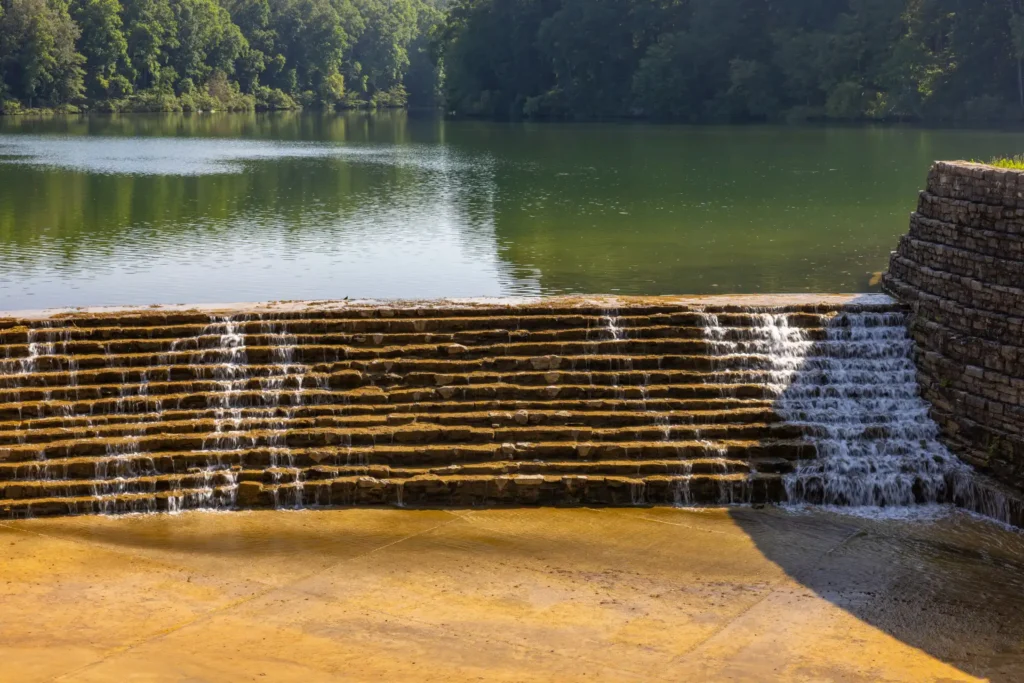
Montgomery Bell State Park offers trails like the Wildcat to Ore Pit Loop, the Creech Hollow Lake Trail, and the Montgomery Bell Overnight Trail. These trails provide moderate to strenuous hiking, with rolling hills, ridgelines, and forested valleys. Total trail distances vary from 3 miles to over 10 miles, allowing hikers to customize their adventure.
Wildcat to Ore Pit Loop features a mixture of shaded forest, old iron ore mining remnants, and creek valleys. Hikers may encounter wildlife, including deer, foxes, and a variety of songbirds. The Montgomery Bell Overnight Trail is more remote, offering solitude and extended forest immersion.
“The Ore Pit Loop was incredible; I felt immersed in history and nature simultaneously. It was challenging yet highly rewarding.” – Alex, Hiker
The park provides marked trailheads, parking, restrooms, and picnic areas. Hikers should check weather and trail conditions before venturing out, especially after rainfall, which can make trails slippery.
Additional Nashville Metro Area Trails
Exploring hiking trails within and near Nashville offers a variety of accessible forest paths, creek-side walks, and scenic overlooks. These trails provide both short excursions and moderate hikes suitable for families, beginners, and seasoned hikers looking for a nearby escape into nature. Many are part of larger park systems or greenways, making them easy to combine into half-day or full-day outdoor adventures. Seasonal changes further enhance the experience, from spring wildflowers to colorful fall foliage, while wildlife sightings, quiet creeks, and shaded hardwood forests add to the immersive quality of hiking near Nashville TN.
Little Acorn, Burch Reserve, Henry Hollow, and Laurel Woods Loop Trails
These compact trails provide excellent options for hikers seeking a quick forest escape without venturing far from the city. Little Acorn Trail (Warner Park Nature Center) is a gentle loop under a mile, ideal for beginners or families, featuring shaded hardwoods and small creek crossings. Burch Reserve Trail spans roughly 3 miles, winding through mature forest, offering wildlife observation opportunities, and gentle elevation for a short but immersive hike. Henry Hollow Loop Trail (Beaman Park) is approximately 1.5 miles with modest elevation changes, featuring quiet hollows, creek crossings, and open meadows that attract songbirds, deer, and other local wildlife. Laurel Woods Loop Trail is slightly longer at 2 miles, with ridges and creek-side sections providing scenic diversity.
All four trails share a focus on accessibility and safety. Terrain consists mainly of packed dirt with occasional rocky sections or tree roots. Trails are clearly marked, minimizing the risk of getting lost, and the loop formats ensure continuous walking paths. Seasonal variations make each hike unique: spring brings wildflowers, summer provides dense shade, fall transforms the canopy with vivid colors, and winter offers quiet solitude.
Visitors should wear sturdy shoes, bring water, and be cautious on damp areas. Lightweight trekking poles can help on uneven sections. Parking is limited at trailheads, so early arrival is advised during weekends or peak foliage. These trails are excellent introductions to Nashville hiking, offering immersive forest experiences without extensive travel.
Bowie Park Trails
Bowie Park Trails provide easy-to-moderate loops ranging from 1.5 to 4 miles, weaving through shaded forest paths, creek-side stretches, and gentle ridges. Hikers encounter small creek crossings and rocky sections that add mild challenge without difficulty, making the network suitable for beginners, families, and casual walkers. Wildlife is abundant, including deer, squirrels, and a variety of birds, especially during early morning or late afternoon hikes.
Benches and rest areas provide space to pause, enjoy the scenery, and observe wildlife. These trails combine scenic viewpoints, forest immersion, and ease of access, making them ideal for locals or visitors looking for a short outdoor escape.
Both trail systems are well-marked and maintained, with easy-to-follow paths and accessible parking. Seasonal changes create unique experiences: spring wildflowers bloom along creek banks, summer provides shade and cooling canopy cover, fall brings striking leaf color, and winter offers quiet, solitary hikes. Hikers should wear appropriate footwear, carry water, and plan for limited parking during weekends.
“Bowie Park Trails felt like a hidden refuge. The ridge views were unexpected, and the forest paths were perfectly peaceful.” – Jessica, Hiker
These trails highlight the variety and convenience of hiking near Nashville TN, blending accessible terrain, scenic overlooks, and immersive forest experiences in a compact metro-area setting.
Cheeks Bend Bluff Trail
Cheeks Bend Bluff Trail, part of the Duck River Complex, offers a scenic, moderately challenging hike for outdoor enthusiasts near Nashville. The trail spans roughly 2 miles round trip, with an elevation gain of about 200 feet. Hikers follow a mixture of packed dirt paths and rocky sections, winding through shaded hardwood forests and along creek valleys. The highlight of the trail is the bluff overlook, providing panoramic views of the Duck River below. Early morning or late afternoon visits increase the chance of observing wildlife, including deer, songbirds, and occasionally river otters.
The trail is relatively compact, making it suitable for families, beginners, and hikers seeking a quick nature escape. Seasonal changes enhance the experience: spring brings flowering understory plants, summer offers a dense canopy for shade, fall provides vibrant foliage for photography, and winter presents quiet solitude with crisp air. Benches along the trail offer rest spots, perfect for pausing and taking in the scenery.
Parking at the trailhead is limited, so arriving early on weekends is recommended. Hikers should wear sturdy shoes, bring water, and exercise caution on rocky sections or near the bluff edge. Lightweight trekking poles can aid in balance on uneven terrain.
Cheeks Bend Bluff Trail exemplifies accessible hiking trails near Nashville TN, combining forest immersion, creek-side walking, and rewarding overlooks. Its compact layout and natural beauty make it ideal for a half-day hike or as part of a longer exploration of nearby trails in the region.
Creek Greenways
Local Greenways, located near the Cumberland River and its tributaries, are gentle, scenic pathways ideal for beginners and families. These trails often run approximately 2 miles one way, with minimal elevation gain, making them accessible for walkers of all skill levels. The path follows a combination of dirt and gravel (or pavement), hugging the creek banks and providing intermittent views of the water. Small footbridges cross minor tributaries, adding charm and easy creek access for wildlife observation.
The trail is especially popular for birdwatching, with frequent sightings of herons, kingfishers, and migratory species during spring and fall. Mammals such as squirrels and deer are common, and the shaded canopy keeps hikers cool during warmer months. Seasonal wildflowers in spring and early summer add pops of color along the path, while fall foliage enhances scenic vistas. Winter offers quiet solitude and reflective waters, making for peaceful hikes and photography.
Trails are well-marked, and their linear format allows hikers to turn around at any point for shorter walks. Parking is available at trail access points, though spaces can fill quickly on weekends. Hikers should wear sturdy footwear, carry water, and be mindful of wet or muddy sections, particularly after rain. The trail is dog-friendly on leashes and provides an easy escape into nature for locals.
These greenways’ combination of creek-side views, easy terrain, and accessible location make them a favorite among hiking trails near Nashville TN, especially for those seeking a short, immersive outdoor experience without leaving the metro area.
Cumberland River Greenway
The Cumberland River Greenway is a multi-use trail network running along the Cumberland River, offering both recreational and commuter-friendly hiking options. The Greenway stretches over 10 miles in total, with numerous access points connecting urban neighborhoods to scenic riverfront sections. Elevation changes are minimal, making it suitable for beginners, families, runners, and casual cyclists.
Hikers enjoy long stretches along the river, with views of waterfowl, turtles, and occasional deer. The Greenway connects several parks, picnic areas, and small forested sections, providing both natural scenery and convenient amenities. Trail surfaces vary from paved segments to packed gravel, accommodating diverse activities while maintaining a pleasant hiking experience. Seasonal changes add variety: spring flowers bloom along the edges, summer offers shade along tree-lined paths, fall colors provide visual interest, and winter presents crisp, quiet walks along the river.
The trail is ideal for those seeking long, uninterrupted walks or for connecting multiple local parks. Rest areas, benches, and interpretive signs make it suitable for educational or casual strolls. Hikers should wear comfortable shoes, bring water, and plan for parking near trail access points, especially on weekends.
The Cumberland River Greenway demonstrates how hiking trails near Nashville TN can combine accessibility, riverfront views, and urban convenience. Its extensive reach allows hikers to tailor distances to their time and ability, offering both short walks and longer excursions while staying close to the city.
Percy Priest Lake and Long Hunter State Park Trails
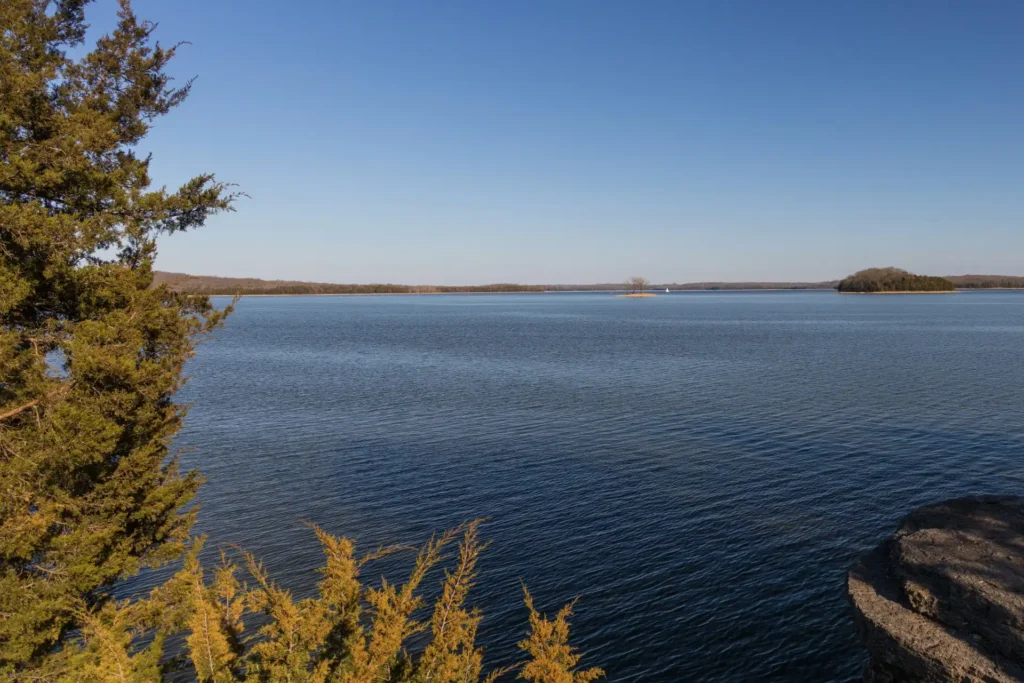
Percy Priest Lake and Long Hunter State Park together offer a diverse range of hiking opportunities within an hour of Nashville. Trails here vary from easy lakeside walks to moderate forested ridges, making them ideal for beginners, families, and seasoned hikers alike. One of the park’s highlights is the Couchville Lake Trail at Long Hunter State Park, a 2-mile paved loop that winds through wetlands, mixed hardwoods, and occasional limestone bluffs. The trail offers frequent views of the lake, with opportunities to spot herons, turtles, and waterfowl along the shore.
For moderate hikers, the Volunteer Trail (Day Loop) provides 4 miles of lakeshore paths and rocky ridges with minimal elevation gain. Seasonal variations make each visit unique: spring brings wildflowers and migratory birds, summer offers shaded relief along the forested segments, fall colors brighten the canopy, and winter presents quiet solitude. Wildlife sightings, including deer and foxes, are common along these trails.
Couchville Lake Trail is family-friendly, with minimal technical terrain, while the Volunteer Trail and connecting paths provide longer excursions for more experienced hikers. Parking is available at designated trailheads, though spaces fill quickly on weekends and holidays. Hikers should wear sturdy shoes, bring water, and follow Leave No Trace practices, particularly near the lake shore and creek crossings.
The trails at Percy Priest Lake and Long Hunter State Park showcase hiking near Nashville TN that blends forested ridges, wetland habitats, and serene water views. Visitors can combine short loops for a quick hike or extend their trip with multiple trail connections, making it possible to spend a half or full day exploring the diverse natural scenery.
Cedars of Lebanon State Park
Cedars of Lebanon State Park offers a unique hiking experience characterized by limestone glades, rolling forested ridges, and wildflower meadows. The park contains multiple trails ranging from short half-mile walks to longer 5-mile loops suitable for more advanced hikers. One of the most popular routes, the Cedar Forest Trail, is about 2 miles and winds through cedar glades and mixed hardwood forests.
Elevation changes are moderate, averaging 100–300 feet depending on the route, and the park’s open glades provide expansive views of the surrounding plateau. Wildlife is abundant, including deer, turkeys, and small songbirds, while seasonal wildflowers like shooting stars and columbine add color to spring hikes. Summer trails are shaded in forested sections, providing relief from the heat, while fall foliage enhances vistas along ridge-top paths. Winter offers quiet solitude and crisp air.
Trails are well-marked with clear signage, and the terrain consists mostly of packed dirt, gravel, and occasional rocky sections. Hikers should wear proper footwear and carry water, especially on longer loops. Picnic areas, parking, and restrooms are available near major trailheads.
Cedars of Lebanon demonstrates the best hiking near Nashville TN, by combining natural beauty, varied terrain, and accessible amenities. Overall, the park’s mix of open glades, forested ridges, and wildflower meadows ensures a visually engaging experience for short afternoon hikes or extended explorations.
Natchez Trace National Scenic Trail
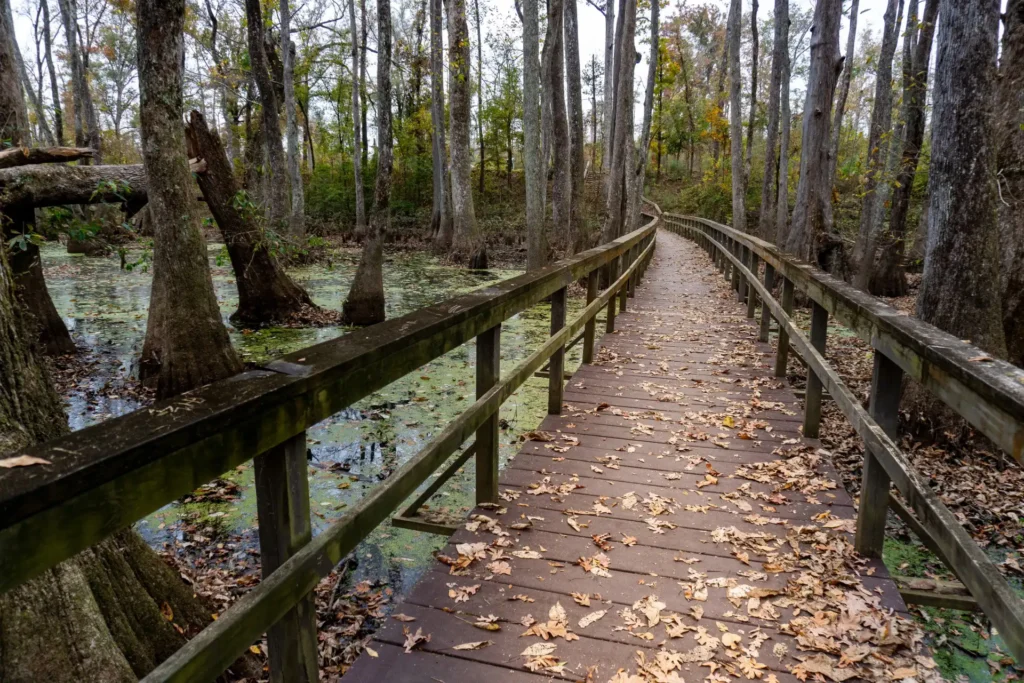
The Natchez Trace National Scenic Trail, part of the historic Natchez Trace Parkway, stretches across Tennessee and offers hikers a mix of long-distance trekking and shorter day hikes near Nashville. Sections within the metro area are primarily flat to moderate, with well-maintained dirt and gravel paths suitable for all skill levels. Trail distances vary, from short 2–3 mile segments to multi-day excursions exceeding 20 miles.
Hikers traverse hardwood forests, rolling hills, and river valleys, experiencing a combination of natural beauty and historic landmarks along the route. Wildlife, including white-tailed deer, foxes, and migratory birds, is commonly observed. Seasonal variations offer changing scenery: spring and early summer highlight wildflowers and lush greenery, fall displays vibrant foliage, and winter provides peaceful solitude with bare forested hills.
The trail is ideal for educational walks, history enthusiasts, and hikers seeking longer excursions within a natural setting. Parking is available at major access points along the Parkway, and trailheads include interpretive signage detailing the region’s natural and cultural history.
Hikers should wear sturdy footwear, bring water, and be prepared for sun exposure on open sections. Dogs on leashes are permitted, and Leave No Trace principles are strongly recommended.
The Natchez Trace National Scenic Trail offers a unique combination of best hiking in Nashville TN, natural beauty, and cultural history. Its variety of trail lengths and difficulty levels makes it accessible to casual walkers and serious hikers alike, providing both short escapes and extended backcountry experiences near the city.
South Cumberland Plateau Hikes and Waterfalls
Fall Creek Falls State Park
Fall Creek Falls State Park is one of Tennessee’s premier hiking destinations, located about two hours from Nashville. The park spans over 26,000 acres, featuring waterfalls, gorges, and diverse ecosystems. The trail network offers options for all skill levels, from easy walks to strenuous backcountry treks. One of the most popular routes is the trail to the base of Fall Creek Falls, a strenuous loop descending into the gorge, where hikers are rewarded with views of one of the tallest waterfalls east of the Mississippi River at 256 feet.
The trail features well-maintained steps, switchbacks, and bridges, allowing hikers to safely navigate steep terrain. For those seeking longer adventures, the Paw Paw and Upper Loop trails provide multi-mile loops through dense hardwood forests, rocky outcrops, and shaded creek valleys. Spring brings vibrant wildflowers and high water flow over the falls, summer offers lush greenery and shaded trails, fall showcases brilliant foliage, and winter presents crisp air and quiet solitude.
Parking is available near major trailheads, but weekends and holidays can be busy, so early arrival is recommended. Hikers should wear sturdy shoes, carry water, and prepare for elevation changes. Photography is popular along the trails, and multiple overlooks offer unique perspectives of cascading waters.
Fall Creek Falls exemplifies the best waterfall hikes near Nashville and nearby cities. Its combination of accessibility, natural beauty, and multiple trail options makes it suitable for families, beginner hikers, and seasoned adventurers seeking both short excursions and full-day hikes in the scenic South Cumberland Plateau region.
Grundy Forest State Natural Area at South Cumberland State Park
Grundy Forest offers a mix of forested trails, ridge lines, and small creek crossings, making it an ideal spot for mountain hikes near Nashville. Trails range from 2–6 miles, with moderate elevation gains of 150-400 feet, depending on the route. The park’s dense hardwood forests provide shade in summer and vibrant color in fall, while seasonal wildflowers enhance spring hikes.
The Grundy Day Loop is a popular 2-mile trail featuring hardwood canopy, rock outcrops, and small waterfalls along the route. Hikers may spot wildlife such as white-tailed deer, wild turkeys, and migratory songbirds. The terrain is a mix of packed dirt, leaf-covered paths, and occasional rocky patches, requiring sturdy shoes and attention to footing, especially after rain.
Grundy Forest trails are well-marked and connected to the broader South Cumberland State Park network. Hikers can extend their visit by combining loops or exploring nearby overlooks for expansive valley and ridge views. Educational signage along some paths provides information about local flora, fauna, and geology.
Parking and amenities are available at the main trailhead, but hikers should carry water and snacks, especially for longer loops. Dogs on leashes are permitted, and visitors are encouraged to follow Leave No Trace principles.
Grundy Forest is an excellent example of the best hikes within an hour of Nashville, providing forest immersion, creek-side walking, and manageable elevation for both beginner and intermediate hikers seeking quiet, scenic trails away from crowded parks.
Mr. & Mrs. Harry Lee Carter State Natural Area
The Harry Lee Carter State Natural Area is a lesser-known gem featuring rugged trails, forested ridges, and small waterfall encounters. Trail lengths vary, with loops ranging from 2 to 5 miles and moderate elevation gains averaging 200-350 feet. Trails traverse dense hardwood forests, limestone glades, and rocky stream crossings, offering both variety and natural beauty.
The area is popular for its combination of shaded forest, small cascades, and exposed rock outcrops providing views across the plateau. Spring and early summer bring wildflowers and flowing streams, fall offers colorful foliage, and winter provides crisp air and a quieter hiking experience. Wildlife such as deer, raccoons, and songbirds are common along the paths.
Trailheads are accessible via paved roads with modest parking areas. Hikers should wear sturdy shoes, bring water, and be cautious on slippery rocks or creek crossings. Lightweight trekking poles can assist with balance on uneven terrain. Dogs on leashes are welcome.
Harry Lee Carter Natural Area illustrates long hikes near Nashville that combine a sense of adventure with manageable distances. The park’s mix of forested ridges, rock formations, and water features make it suitable for hikers seeking moderate trails that deliver both exercise and scenic rewards.
Remote Plateau Trails and Backcountry Hikes
Franklin State Forest
Franklin State Forest offers a quieter alternative to Tennessee’s more heavily trafficked parks, making it a strong option for hikers looking to explore less crowded terrain within two hours of Nashville. The forest spans over 10,000 acres and features a network of loop and connector trails that range from short exploratory hikes to longer backcountry routes. Elevation changes are moderate, with rolling ridges, shallow hollows, and intermittent creek crossings shaping the landscape.
Trails here are primarily dirt and leaf-covered, with occasional rocky sections that require steady footing. The terrain feels wild without being overwhelming, making it well-suited for intermediate hikers who want distance without extreme climbs. Wildlife sightings are common, including deer, turkey, and a wide range of bird species, especially during early morning hours.
Navigation skills are important, as signage is more limited than in state parks. A downloaded map or GPS app is strongly recommended. The forest roads leading to trailheads are generally passable for standard vehicles, though rain can create muddy conditions. There are no developed facilities, so hikers should carry all necessary water, food, and safety gear.
Franklin State Forest works well for those seeking longer hikes near Nashville without crowds. It rewards preparation with solitude, quiet forest immersion, and a sense of exploration that feels increasingly rare near major cities.
Walls of Jericho
Difficulty: Strenuous
Distance: 7.0 miles
Pet Policy: Leashed Dogs Allowed
The Walls of Jericho is one of the most physically demanding hikes accessible from Nashville, located near the Tennessee-Alabama border. The main route is approximately 7 miles round trip and includes steep elevation changes that exceed 1,000 feet. The trail descends sharply into a bowl-shaped canyon, meaning the hardest part of the hike comes at the end during the climb back out.
Hikers pass through dense hardwood forest, rocky switchbacks, and exposed ridgelines before reaching the canyon floor. The reward is a dramatic waterfall pouring from limestone cliffs into a shaded amphitheater. Water flow is strongest in late winter and spring, while summer brings heat and humidity that significantly increase difficulty.
The trail surface is rugged, with loose rock, roots, and uneven footing throughout. Trekking poles are highly recommended, along with sturdy footwear and ample water. There are no facilities along the route, and cell service is unreliable. This hike is not suitable for beginners or casual hikers.
Walls of Jericho is best approached as a full-day commitment. Those who prepare properly are rewarded with one of the most memorable waterfall hikes near Nashville, combining physical challenge with striking natural scenery.
Savage Gulf State Natural Area
Savage Gulf is a vast wilderness area known for deep gorges, sandstone cliffs, and extensive trail networks that support both day hikes and overnight backpacking trips. Located roughly two hours from Nashville, the park offers dozens of miles of trails ranging from moderate loops to demanding backcountry routes.
Popular trails like the Savage Day Loop and Stone Door area provide dramatic overlooks with relatively short mileage, while longer routes descend into the gulf itself, following creeks and river corridors. Elevation changes can be significant, especially on routes that drop into the canyon and climb back out. Trail conditions vary from smooth dirt paths to rocky, technical sections.
Savage Gulf is ideal for hikers seeking long hikes near Nashville that feel remote and immersive. Water sources are plentiful but should be filtered. Trail signage is good near major access points, but becomes sparse deeper in the backcountry. Maps and route planning are essential.
This area rewards patience and preparation. The scale of the landscape, combined with quiet forest corridors and expansive overlooks, makes Savage Gulf one of the most compelling hiking destinations in Tennessee for experienced hikers.
Virgin Falls State Natural Area
Virgin Falls offers one of the most unique hiking experiences in Tennessee, centered around a waterfall that emerges from a cave, plunges over a cliff, and then disappears underground again. The main trail is about 9 miles round trip with strenuous elevation changes and several creek crossings.
The hike begins with a steady descent through mixed forest before reaching the waterfall basin. Along the way, hikers pass smaller cascades, rock shelters, and shaded creek corridors. The final approach requires careful footing on rocky terrain, especially after rainfall.
Virgin Falls flows strongest in winter and spring. During dry summer months, water levels may be reduced, but the cave system and surrounding cliffs remain visually striking. This hike requires good preparation, including water, navigation tools, and sturdy footwear.
Virgin Falls stands out among waterfall hikes near Nashville for its geological uniqueness rather than sheer size. It is best suited for intermediate to advanced hikers who enjoy longer distances and less developed trail systems.
South Cumberland and Plateau Classics
Rock Island State Park
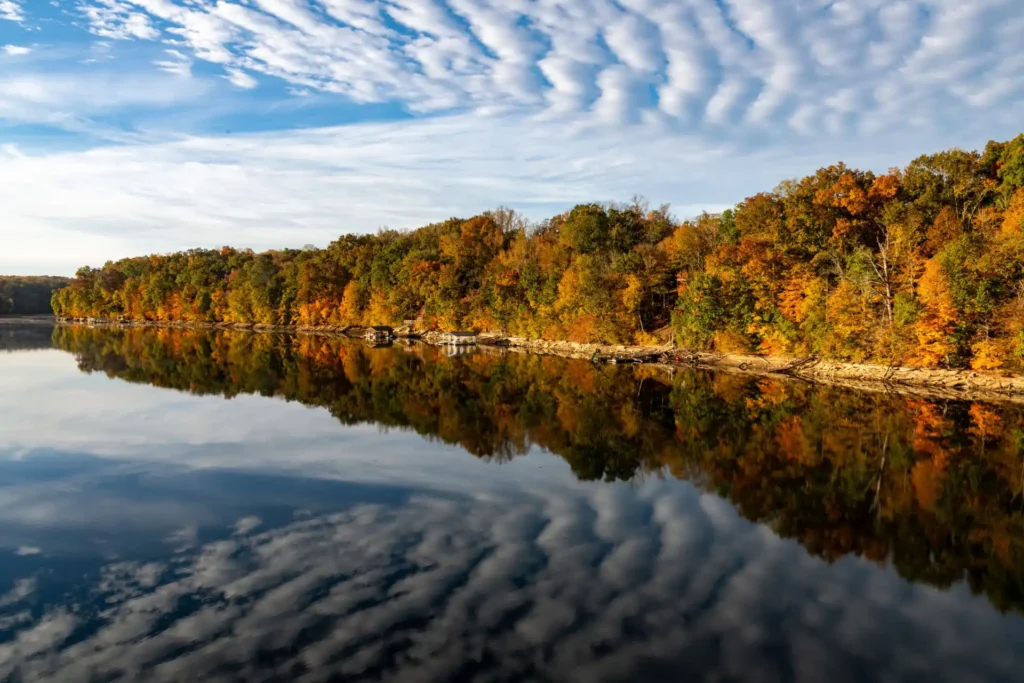
Rock Island State Park sits at the meeting point of the Caney Fork, Collins, and Rocky Rivers and delivers one of the most visually dynamic hiking experiences within two hours of Nashville. Trails here range from short overlooks to longer river-level walks, with constant views of moving water, cascades, and sculpted rock formations. The Downstream Trail is a standout, following the Caney Fork River past waterfalls, swimming holes, and limestone cliffs.
Terrain varies between flat gravel paths and uneven rocky sections near the riverbanks. Hikers should expect exposed roots, slick rock near water, and occasional elevation changes when moving between overlooks and river access points. During warmer months, this area is popular, so early starts help avoid crowds and improve wildlife sightings.
Rock Island is especially appealing for hikers who enjoy combining scenery with movement. You can build a route that includes overlooks, river walks, and waterfall viewpoints without committing to a full-day hike. Facilities are well developed, with restrooms, picnic areas, and clearly marked trailheads.
Seasonal conditions matter here. Spring brings strong water flow and dramatic cascades, while late summer exposes more rock shelves and calmer water. Rock Island works well for intermediate hikers and confident beginners who are comfortable navigating rocky terrain and wet conditions near the river.
Cummins Falls State Park
- Difficulty: Strenuous (River Crossing)
- Distance: 2.5 miles
- Requirement: Gorge Access Permit (Online)
Cummins Falls is one of Tennessee’s most well-known waterfall hikes and requires careful planning due to terrain and safety considerations. The Gorge Trail, the primary route to the base of the falls, is approximately 2.5 miles round trip but demands attention due to steep descents, river crossings, and uneven rock surfaces.
The trail descends quickly from the parking area into a narrow gorge, where hikers must cross the Blackburn Fork River multiple times. Water levels fluctuate dramatically depending on rainfall, and flash flooding is a serious concern. A gorge access permit is required to hike to the base of the falls and must be purchased online in advance.
The payoff is a powerful waterfall plunging into a wide plunge pool surrounded by rock walls. This is one of the most dramatic waterfall settings near Nashville, especially during spring runoff. Swimming is common during safe conditions, though water remains cold year-round.
Cummins Falls is best suited for experienced hikers who are comfortable with route finding, water crossings, and changing conditions. Proper footwear, weather awareness, and adherence to park guidelines are essential. When conditions align, it offers one of the most rewarding short hikes in the region.
Local’s Tip: Flash flooding is real here. If it has rained heavily in the last 24 hours, do not enter the gorge. You must buy your permit online before you arrive, as cell service is spotty.
Frozen Head State Park
Frozen Head State Park is known for rugged terrain, steep climbs, and long-distance trail options. Located just over two hours from Nashville, the park is a destination for hikers seeking elevation, solitude, and physical challenge. Trails climb sharply from valley floors to exposed ridges, offering expansive views and remote forest corridors.
The terrain is rocky and often unforgiving, with sustained climbs that test endurance. Trails like the South Old Mac and Lookout Tower trails gain significant elevation and pass through dense hardwood forest, rhododendron tunnels, and rocky outcrops. Navigation skills are important, especially on longer routes.
Frozen Head is also famous for hosting the Barkley Marathons, which speaks to the park’s difficulty and wild character. While not all trails are extreme, even moderate routes require preparation, strong footwear, and sufficient water.
This park is best for experienced hikers who enjoy challenging climbs and quieter backcountry settings. Weather changes quickly at higher elevations, and winter conditions can include snow and ice. Frozen Head rewards effort with solitude and a raw Appalachian landscape rarely experienced near Nashville.
Prentice Cooper State Forest
Prentice Cooper State Forest sits just outside Chattanooga but remains accessible as a longer day trip from Nashville for hikers seeking expansive views and open terrain. The forest is characterized by wide gravel trails, cliffside overlooks, and plateau-top hiking with consistent elevation changes.
Many trails follow old logging roads, making them suitable for longer mileage without technical difficulty. The Mullens Cove Loop and other bluff trails offer repeated overlooks of the Tennessee River Gorge, especially striking during sunrise and fall foliage season. Wind exposure is common along ridgelines, so layered clothing is useful year-round.
Trail navigation is straightforward, with wide paths and minimal obstacles, though distances can add up quickly. There is little shade in some sections, especially during summer, so water planning is important.
Prentice Cooper works well for hikers who enjoy big views, steady walking, and less crowded spaces. It is especially popular with trail runners and long-distance hikers, building endurance near Middle Tennessee.
North Chickamauga Creek Gorge State Natural Area
North Chickamauga Creek Gorge offers a mix of waterfall hikes, creek-side trails, and rugged backcountry terrain. Located on the edge of the Cumberland Plateau, the area features steep canyon walls, cascading streams, and remote-feeling trails despite relative accessibility.
Popular routes follow the creek upstream to waterfalls and swimming holes, with rocky footing and frequent water crossings. Trails can be muddy after rain, and route finding becomes more important deeper into the gorge. Elevation changes are moderate but sustained on longer routes.
This area is best for hikers who enjoy creek hiking and less structured trails. Water levels determine difficulty, especially in spring. Summer hikes offer shaded relief along the creek but still require attention to footing.
North Chickamauga rewards patience with quiet forest corridors, flowing water, and a sense of exploration that feels far removed from urban life.
Remote Backcountry Near Nashville
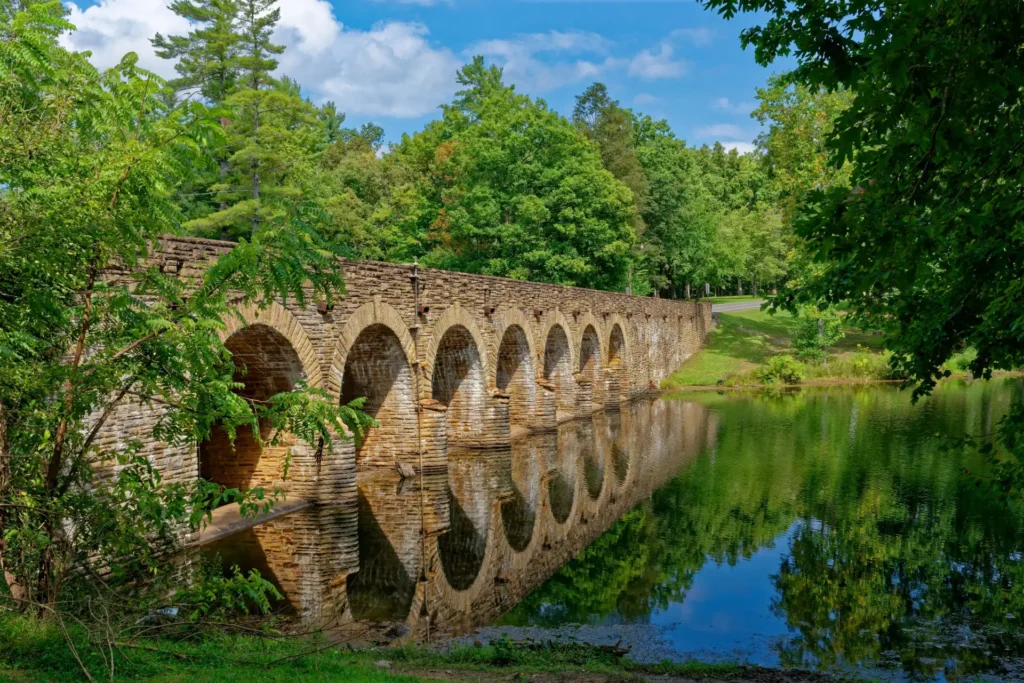
Justin P. Wilson Cumberland Trail State Park
The Justin P. Wilson Cumberland Trail State Park is not a single destination but a growing network of trail segments that stretch across Middle and East Tennessee. For hikers based in or around Nashville, several segments within a two-hour drive offer long-distance hiking, dramatic terrain, and a true backcountry feel. These trails are best known for rugged climbs, river gorges, bluff lines, and quiet forest corridors that feel far removed from city life.
Trail segments vary widely in difficulty and length. Some sections are suitable for half-day hikes with moderate elevation gain, while others are designed for full-day or multi-day backpacking trips. Expect narrow single-track paths, rocky footing, and sustained climbs in gorge areas. Bluff sections provide expansive views over rivers and valleys, rewarding effort with solitude and scenery rather than crowds.
Navigation is a key consideration. While trail signage exists, hikers should carry a map or GPS track, especially on longer segments where trailheads may be miles apart. Water sources are often available near creeks and rivers, but filtration is essential. Seasonal conditions greatly impact difficulty, with summer heat, spring runoff, and winter ice all requiring careful planning.
This trail system appeals most to experienced hikers seeking long miles and minimal development. There are a few amenities, limited parking at some access points, and little cell service. For those willing to prepare, the Cumberland Trail offers one of the most immersive hiking experiences within reach of Nashville, blending physical challenge with remote Appalachian scenery.
Catoosa Wildlife Management Area
Catoosa Wildlife Management Area is one of the largest and wildest public land areas in Tennessee, offering an entirely different hiking experience compared to developed state parks. Located roughly two hours east of Nashville, this massive tract of forested plateau and deep gorges is known for isolation, rugged terrain, and minimal trail infrastructure.
Hiking here feels truly exploratory. Trails are fewer, less maintained, and often unsigned. Old logging roads, footpaths, and backcountry routes crisscross the landscape, allowing hikers to build their own routes based on skill and comfort level. Expect rocky climbs, creek crossings, and long stretches without seeing another person.
The terrain includes steep ridges, narrow hollows, and remote waterfalls that require effort and navigation skills to reach. Wildlife sightings are common, including deer, wild turkey, and a variety of bird species. Because this is an active wildlife management area, hikers must check the hunting schedule before visiting and wear visible clothing when required.
Catoosa is best suited for experienced hikers who are comfortable with self-navigation, changing conditions, and limited access to help. There are no restrooms, marked parking areas may be primitive, and cell service is unreliable. Therefore, water, food, and emergency supplies are essential.
For those seeking true solitude and a raw landscape within reach of Nashville, Catoosa Wildlife Management Area delivers a backcountry experience that feels untouched and deeply rewarding.
Things to Carry and Keep in Mind
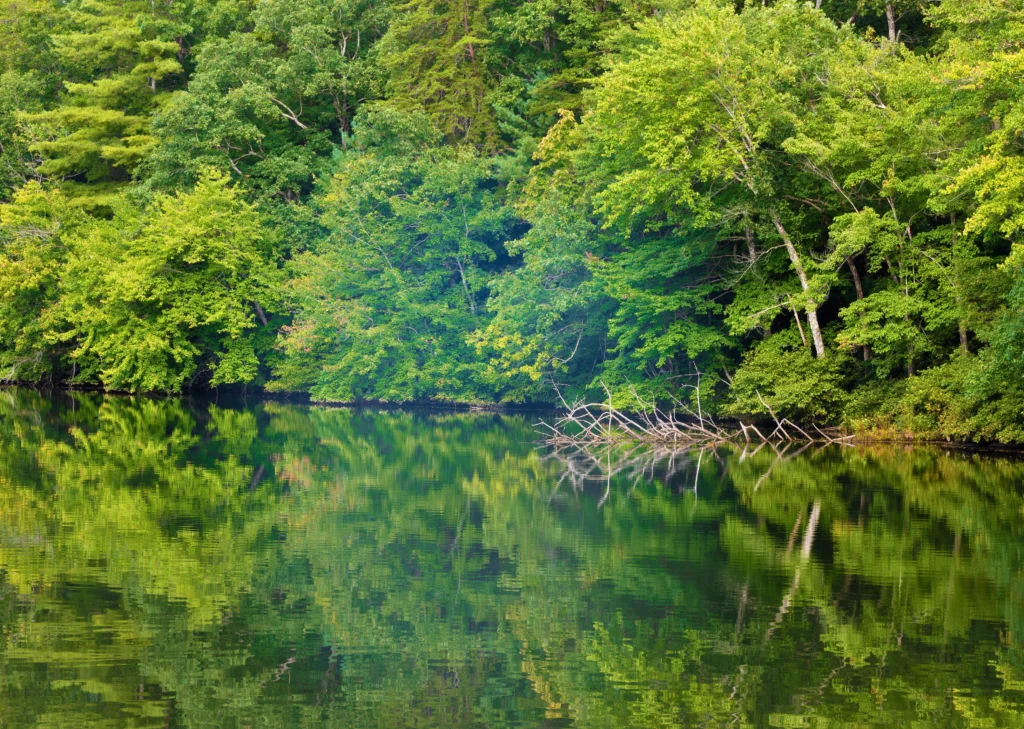
Preparation plays a major role in having a safe and enjoyable hiking experience near Nashville. While many trails are well-marked and close to the city, terrain, weather, and water conditions can change quickly, especially on longer routes or waterfall hikes.
- Water and nutrition are essential, even on short trails. Tennessee’s humidity increases dehydration risk year-round. For hikes over two hours, bring more water than you expect to need along with calorie-dense snacks such as trail mix or energy bars.
- Footwear matters more than distance. Many Nashville-area trails include exposed roots, limestone rock, mud, and creek crossings. Sturdy hiking shoes or trail runners with good traction help prevent slips, especially after rain.
- Navigation tools are important beyond metro parks. Remote areas like the Cumberland Trail, South Cumberland Plateau, and Catoosa Wildlife Management Area may have limited signage or cell service. A downloaded map, GPS app, or physical trail guide helps prevent wrong turns.
- Safety and emergency items should always be accessible. A compact first-aid kit, whistle, and headlamp are smart additions, particularly on longer or less-traveled hikes.
- Clothing should match conditions, not the forecast alone. The weather in Middle Tennessee can shift quickly. Lightweight layers, rain protection, and sun coverage improve comfort and reduce risk, especially on exposed ridges or long climbs.
- Leave No Trace practices protect fragile ecosystems. Stay on designated trails, pack out all trash, avoid disturbing wildlife, and respect trail closures. Many Nashville-area parks protect sensitive habitats and waterways.
- Extra awareness is required for families and waterfall hikes. Children should be closely supervised near bluffs, steep drop-offs, and creek crossings. Waterfall trails often involve slick rock, strong currents, and sudden water level changes. Always check recent conditions and avoid entering gorges during or after heavy rain.
People Also Ask
Yes, Nashville has extensive hiking options located directly within the city limits. Unlike many cities where you must drive far for nature, the Warner Parks and Radnor Lake offer dense forest hiking less than 20 minutes from downtown. For rugged waterfalls, hikers typically drive 1.5 to 2 hours to the South Cumberland Plateau.
Yes, but most require a 1-hour drive. The closest significant waterfalls are Cummins Falls and Burgess Falls (approx. 1 hour east). Narrows of the Harpeth has a small man-made waterfall tunnel closer to town. There are no major natural waterfalls inside the Nashville city limits due to the geography.
It depends on the park. You can bring leashed dogs to Percy Warner Park, Beaman Park, and the Volunteer Trail at Long Hunter. However, avoid the Lake Trail at Radnor Lake and the Couchville Lake Trail at Long Hunter, as they strictly prohibit dogs. Always check specific park rules before arriving.
While hiking is a highlight, key attractions include Radnor Lake for wildlife, Percy Warner for panoramic views, Harpeth River for river trails, and Montgomery Bell for historic forest exploration. Nashville also offers urban greenways, scenic overlooks, and cultural experiences along trails such as the Natchez Trace and Cumberland River Greenway. Seasonal foliage, wildflowers, and river valleys enhance outdoor visits. Explore waterfall hikes like Hidden Lake or Shorts Springs for the best nature photography and short-day adventures.
The state features varied hiking from easy forest loops to rugged backcountry trails. Notable hikes near Nashville include Montgomery Bell, Percy Warner, Radnor Lake, and Harpeth River trails. Expanding further, South Cumberland Plateau trails, Fall Creek Falls, Savage Gulf, and Virgin Falls provide waterfalls, gorges, and multi-day trekking options. The Great Smoky Mountains offer both accessible trails like Laurel Falls and challenging hikes like Abrams Falls. Selecting a hike depends on desired difficulty, scenery, and trail length. Tennessee offers something for every hiker, combining natural beauty, forested valleys, rivers, and waterfalls.
While Nashville boasts music and culture, many visitors also seek natural attractions. Great Smoky Mountains National Park is the most visited outdoor destination. Waterfalls, hiking trails, and wildlife viewing draw visitors year-round. Other popular natural sites include Fall Creek Falls, Radnor Lake, and Cumberland River Greenway. Outdoor enthusiasts can combine cultural and hiking experiences, exploring music landmarks in Nashville while also enjoying accessible forest and waterfall trails nearby. Tennessee’s combination of natural beauty and heritage makes it a multifaceted tourist destination.
October brings peak fall foliage and drier weather. April offers blooming wildflowers and active waterfalls. Summer (June-August) is often difficult due to high humidity, heat, and tick activity.
In Conclusion: Experiencing Hiking Around Nashville TN
Hiking in Nashville TN offers a wide variety of trails within a short drive from the city. From urban loops at Radnor Lake and Percy Warner Park to extended explorations at Montgomery Bell, Harpeth River, and Long Hunter State Park, visitors can select routes suited to their experience and interest. Waterfalls, lakes, creeks, and forested valleys provide a balanced mix of scenery, wildlife, and outdoor recreation opportunities.
Seasonal changes enhance these experiences, whether it is spring wildflowers, summer shaded hikes, fall foliage, or crisp winter walks. Trails are accessible for beginners and families, while longer loops reward more ambitious hikers. Hiker quotes and personal observations underscore the immersive, memorable nature of these outdoor adventures.
By combining well-marked paths, natural scenery, and convenient access, hiking near Nashville TN presents a reliable, enjoyable, and diverse experience for locals and visitors alike. In other words, proper preparation, seasonal awareness, and trail etiquette ensure every hike is safe and rewarding, leaving visitors eager to return and explore more of the region’s rich outdoor offerings.